Proving Profit Motive: Hobby Loss Rule for Travel Agents
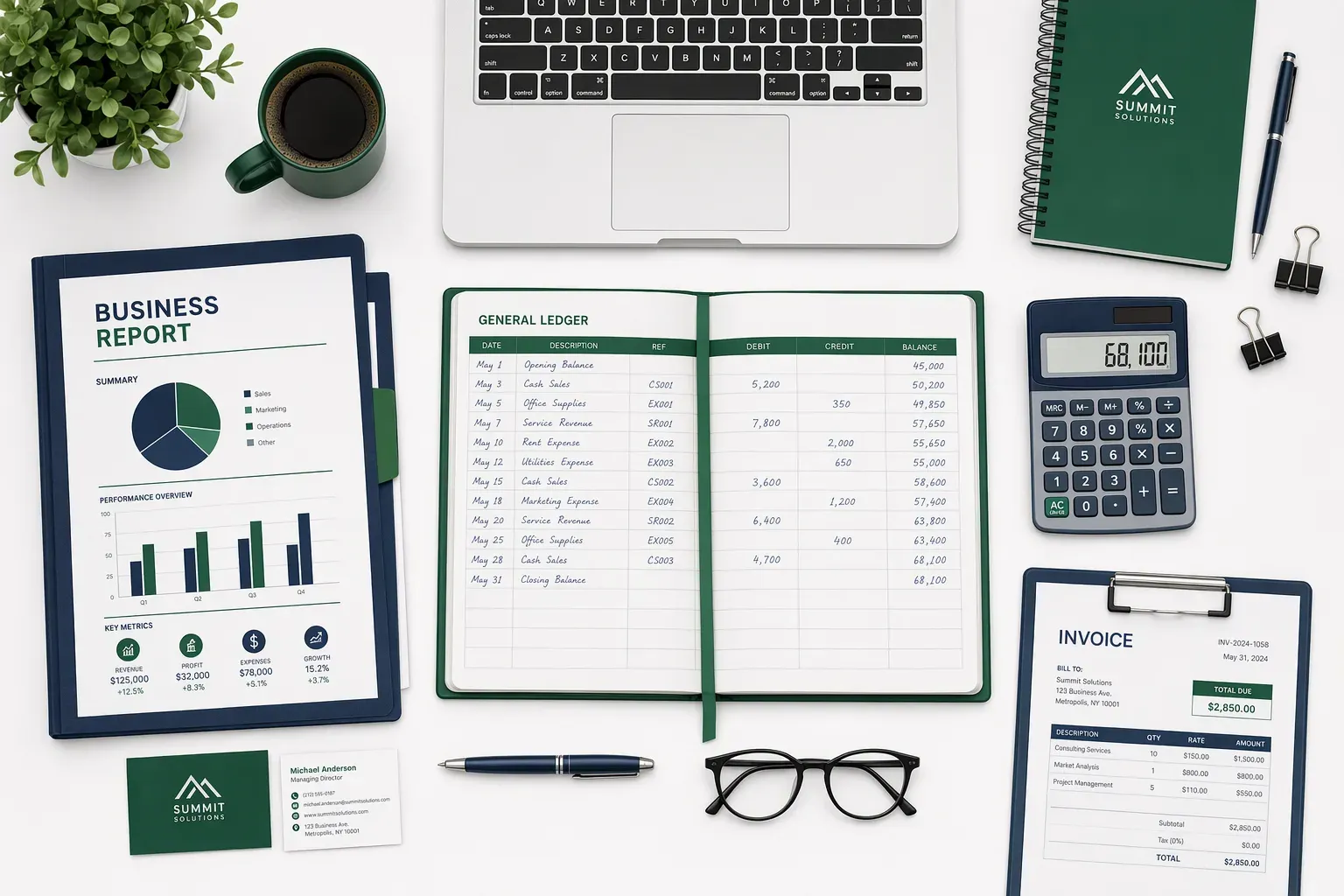
If the IRS determines your travel agency is a hobby rather than a business, you can only deduct expenses up to your commission income—losses can't offset other income. Section 183 of the tax code applies a nine-factor test to decide whether you're running a business for profit or pursuing a hobby with incidental income. Travel agents face particular scrutiny because the work involves travel, which has obvious personal appeal, and because mixing business research with vacations can blur the line between work and recreation.
What happens if the IRS says it's a hobby
Say you earned $8,000 in commissions in 2026 but had $15,000 in expenses—FAM trips, memberships, marketing, and a home office. If the IRS recharacterizes your activity as a hobby, you can't deduct the $7,000 loss against your other income (a spouse's W-2 wages, investment income). You can only deduct expenses up to the $8,000 of hobby income, and those deductions are reported on Schedule 1, line 8, not on Schedule C.
If this happens after you've filed, you'll need to amend your returns, pay back the taxes you saved from the disallowed loss, plus interest and potentially penalties. The difference between business treatment and hobby treatment can be thousands of dollars a year.
The nine-factor test for profit motive
Treasury Regulation 1.183-2 lays out nine factors the IRS considers when determining whether an activity is engaged in for profit. No single factor is dispositive—the IRS looks at the full picture.
1. Businesslike manner and complete records. Do you keep organized books, track income and expenses in real time, have a separate business bank account, and follow generally accepted business practices? A travel agent using personal accounts for business transactions, with incomplete trip records and no bookkeeping system, raises a red flag.
2. Expertise or consultation with experts. Have you completed industry training, consulted with experienced agents or business advisors, or developed expertise in your niche? Taking continuing education courses, attending conferences, and seeking mentorship all demonstrate you're serious about improving your skills and profitability.
3. Time and effort spent. Do you work regular hours, respond promptly to inquiries, actively market your services, and treat the business as your primary occupation? An agent who books a few trips a year for friends while working full-time at an unrelated job will have trouble proving this is a business.
4. Expectation that assets will appreciate. This factor is less relevant for service businesses like travel agencies, which typically don't hold appreciating assets.
5. Success in similar activities. Have you run other profitable businesses, or is this your first venture? A history of turning hobbies into businesses that never make money works against you; a history of building profitable businesses works in your favor.
6. History of income and losses. Are you profitable in some years, or do you show losses year after year? The IRS presumes profit motive if you're profitable in three of the last five years, but that presumption isn't binding—you can still prove profit motive with consistent losses if the other factors support you, and the IRS can challenge profit motive even with occasional profits if the facts suggest a hobby.
7. Amount of occasional profits. When you do make a profit, is it substantial relative to your investment and losses in other years, or are your profitable years barely breaking even? A $500 profit in one year against $20,000 in losses over four years suggests a hobby.
8. Financial status. Do you depend on this income, or do you have substantial other income and don't need the business to be profitable? Someone with a high-earning spouse and no financial need to make the business work is more likely to be seen as pursuing a hobby.
9. Elements of personal pleasure or recreation. This is where travel agents face the most scrutiny. The IRS knows that travel has inherent recreational appeal. Taking FAM trips to luxury resorts, claiming friend and family trips as business research, posting vacation photos on social media while calling it marketing, and treating supplier perks (upgrades, discounts, free trips) as the main benefit of being an agent all suggest personal enjoyment is the primary motive.
Why travel agents are scrutinized
The IRS and tax courts have seen cases where people obtain travel agent credentials primarily to access discounts, FAM trips, and industry perks, with little or no effort to generate commission income. Host Agency Reviews and industry publications regularly warn agents that posting about "living the dream" and "getting paid to travel" on social media can undermine a profit motive argument if the IRS ever audits.
An agent who takes four FAM trips a year, earns $3,000 in commissions, and shows $12,000 in expenses year after year looks like someone funding a travel hobby with occasional side income, not running a business.
How to prove you're running a business
Maintain complete, contemporaneous records: a bookkeeping system updated at least monthly, receipts and documentation for every expense, trip logs showing business purpose (which suppliers visited, what you learned, how it relates to current or prospective clients), and time tracking if you work part-time.
Have a separate business bank account and business credit card. Don't commingle personal and business funds. This is the single clearest marker of businesslike operation.
Advertise and market actively. A website, regular social media posts about destinations and travel tips (not just your own trips), networking with local business groups, referral programs, and paid advertising all show you're trying to attract clients and grow revenue.
Follow accepted industry practices. Join professional associations (ASTA, CLIA), complete continuing education, attend industry conferences, and work with a host agency that provides training and support.
Work regular, documented hours. If you're part-time, keep a log showing when you're working—researching destinations, communicating with clients and suppliers, marketing, and handling bookings.
Adjust your methods to improve profitability. If something isn't working, change it. Specialize in a niche, raise your fees, cut costs, or pivot your marketing. Doing the same thing year after year despite losses suggests you're not actually trying to make a profit.
Personal enjoyment of your work doesn't disqualify it as a business—plenty of people love what they do and still run profitable businesses. The question is whether your primary purpose is income or recreation. If you can show you're operating in a businesslike manner, investing time and effort to build a client base, and making decisions aimed at profitability, occasional losses in the early years won't disqualify you.
What the IRS looks for in an audit
The IRS examines your tax returns, bank statements, trip records, and social media. They ask how much time you spend working, how you find clients, what you've done to increase revenue, and why you've had losses. They compare your operation to profitable travel agents in similar circumstances.
Your own statement of intent—"I'm building a business"—carries less weight than objective facts. What you do matters more than what you say you're doing.
If you're tracking trips and expenses with tax guidance for your independent agency, AgentWriteOff helps organize the records the IRS expects to see.